John F. Kennedy Presidential Library and Museum
The official repository for the papers, photographs, and recordings of the 35th President, perched on a dramatic peninsula overlooking Boston Harbor — a landmark designed by I. M. Pei that chronicles Kennedy's presidency, the Cuban Missile Crisis, and the enduring spirit of a brief and consequential American era.
Learn more
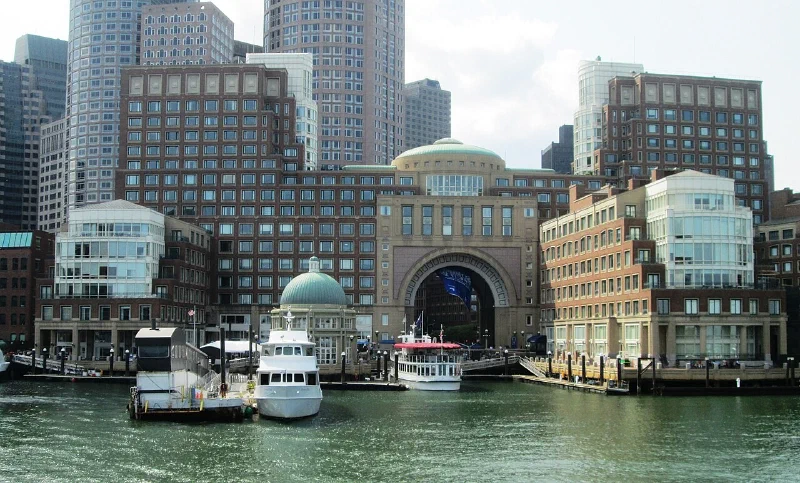
Designed by architect I. M. Pei and opened in 1979, the John F. Kennedy Presidential Library and Museum sits on Columbia Point at the edge of Boston Harbor, where panoramic views of the harbor and downtown skyline form a constant backdrop to the exhibits within. The building’s austere white geometry — all glass pavilions and intersecting geometric forms — was the result of a decade-long site search and design process; Pei was Kennedy’s personal choice for the architect, and the commission outlasted Kennedy’s own lifetime by sixteen years.
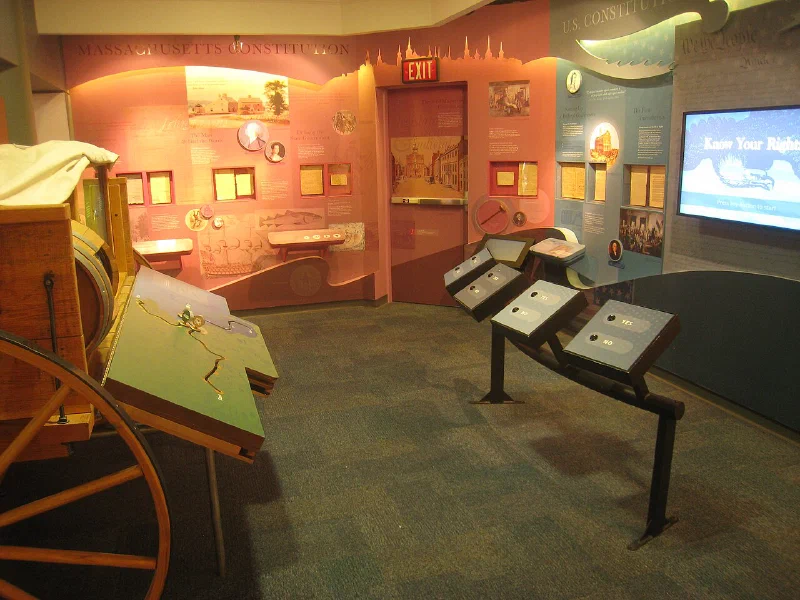
The museum’s permanent collection covers Kennedy’s political rise through Massachusetts politics, his narrow 1960 victory over Richard Nixon, and the defining episodes of his presidency: the Bay of Pigs, the construction of the Berlin Wall, the Civil Rights movement, and the thirteen days of the Cuban Missile Crisis in October 1962. The Crisis exhibits include declassified recordings of ExComm meetings where Kennedy and his advisors debated the possibility of nuclear war, and a full-scale recreation of the Oval Office as it appeared during the Kennedy years.
The library holds approximately 8.4 million pages of personal papers, 180,000 still photographs, and 1,000 hours of White House recordings. The Robert F. Kennedy memorabilia wing and the permanent tribute to Jacqueline Kennedy are among the most-visited sections, while the soaring glass atrium with its harbor views provides a contemplative close to the museum experience.